
The Apostolic Age
The first generation of Christians: from the earliest Jerusalem community to the spread of the movement around the Mediterranean.
The world of the first Christians
The places that matter most in this era, from Jerusalem to Rome. Region names are the Roman ones used in Acts and Paul's letters.
Images from the period
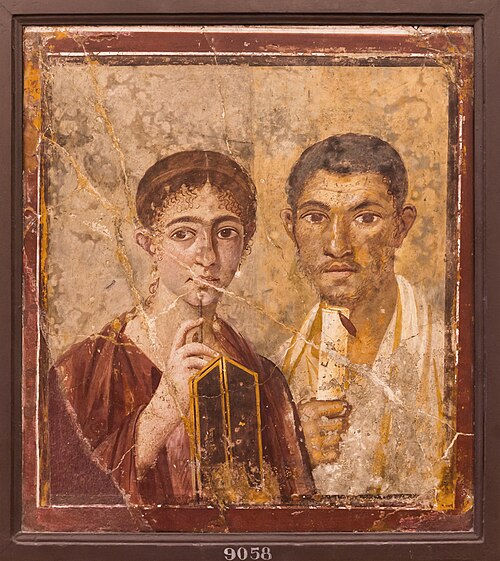
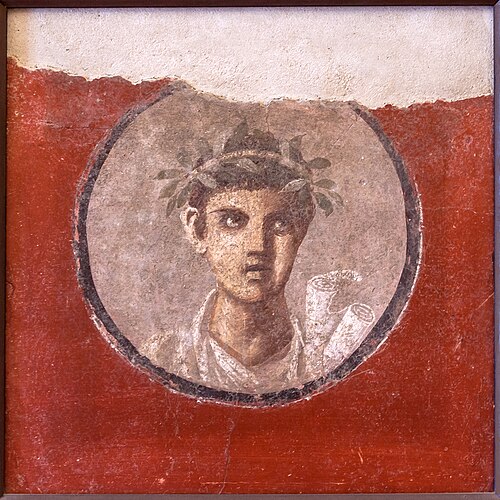
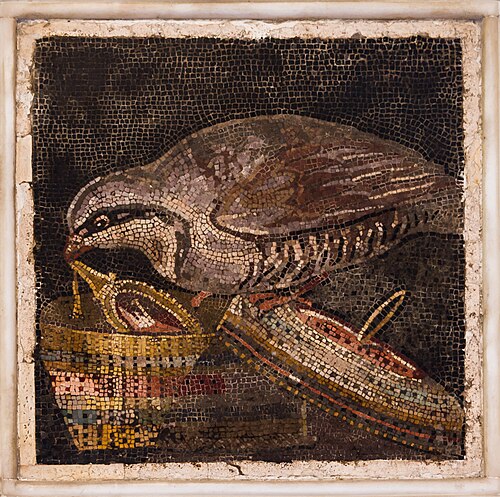
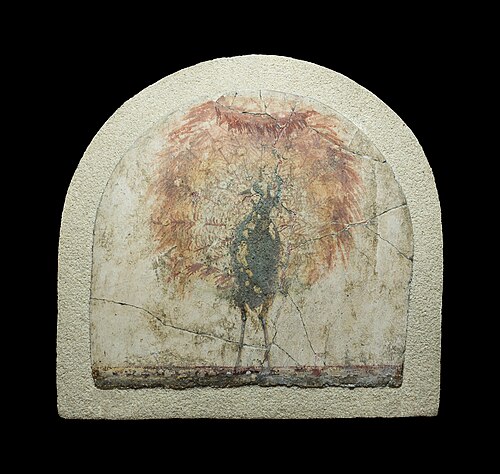
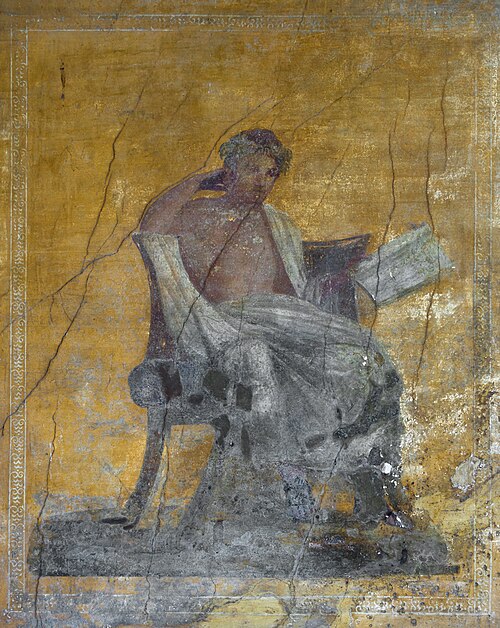
Overview
The Apostolic Age is the first generation of Christians, from the years after the death of Jesus to the end of the first century. The name comes from the apostles, the early leaders whom the New Testament describes as sent out to teach.
According to the book of Acts, the first Christians were Jewish followers of Jesus who gathered in Jerusalem and then spread their message to other cities. Paul’s own letters give a second view of the movement as it grew beyond Jewish communities into the wider Roman world. Scholars generally date Paul’s letters to the middle of the first century, which makes them among the earliest surviving Christian writings (Brown, An Introduction to the New Testament).
Our written evidence is limited. Historians draw on Acts, Paul’s letters, and a few mentions in Roman and Jewish writers such as Tacitus, Suetonius and Josephus. Those writers were not Christians and did not write to tell the Christian story, which is part of why they are useful. Historians debate the dating of many events here and how the sources fit together, and the timeline below flags each date that is uncertain. The dates for Paul’s career follow the usual chronology set out in Brown’s introduction.
When were the sources written?
Most of the New Testament was written during this era, but not all at once, and not in the order it is printed. The table gives the ranges scholars commonly suggest. Every date here is debated. Where authorship is disputed, the date depends on who wrote the book, so both are shown. The ranges follow standard introductions to the New Testament, such as Raymond E. Brown’s (see the sources for this era), and none of the New Testament books states its own date.
Paul’s letters
| Writing | Usual date | Notes |
|---|---|---|
| 1 Thessalonians | c. AD 50 to 51 | Usually thought to be the earliest surviving Christian writing |
| Galatians | c. AD 48 to 57 | The range is wide because it depends on the North or South Galatia question |
| 1 Corinthians | c. AD 53 to 56 | Written from Ephesus (1 Corinthians 16:8) |
| 2 Corinthians | c. AD 55 to 57 | Many scholars think it joins parts of more than one letter |
| Romans | c. AD 56 to 58 | Written before Paul took a collection to Jerusalem (Romans 15:25 to 26) |
| Philippians and Philemon | c. AD 54 to 62 | Written from prison; the date depends on whether that was in Ephesus, Caesarea or Rome |
Letters in Paul’s name whose authorship is debated
| Writing | If by Paul | If by a later writer |
|---|---|---|
| 2 Thessalonians | c. AD 51 to 52 | Late first century |
| Colossians | c. AD 55 to 62 | c. AD 70 to 90 |
| Ephesians | c. AD 60 to 62 | c. AD 80 to 100 |
| 1 and 2 Timothy, Titus | Early 60s | c. AD 90 to 130, the view of many scholars |
Gospels and Acts
| Writing | Usual date | Notes |
|---|---|---|
| Mark | c. AD 65 to 75 | Usually thought to be the earliest Gospel, near the time of the temple’s destruction |
| Matthew | c. AD 80 to 90 | Most scholars think it drew on Mark |
| Luke and Acts | c. AD 80 to 90 | Two volumes by the same author. Some scholars argue for the early 60s, others for the early second century |
| John | c. AD 90 to 100 | Probably written in stages |
Other New Testament writings
| Writing | Usual date | Notes |
|---|---|---|
| Hebrews | c. AD 60 to 95 | The letter does not name its author |
| James | c. AD 50 to 100 | Before AD 62 if by James the brother of Jesus; later if not |
| 1 Peter | c. AD 60 to 95 | Early 60s if by Peter; many scholars date it later |
| Jude | c. AD 50 to 100 | |
| 1, 2 and 3 John | c. AD 90 to 110 | |
| Revelation | c. AD 95 | Irenaeus, in the second century, places it late in Domitian’s reign; some argue for the late 60s |
| 2 Peter | c. AD 100 to 150 | Often thought to be the latest book of the New Testament, written after this era |
Writers outside the New Testament
| Writing | Date | Notes |
|---|---|---|
| 1 Clement | c. AD 95 to 97 | Letter from the church in Rome; see the timeline |
| Josephus, Jewish War | The AD 70s | Josephus fought in the revolt, later lived in Rome, and says he presented the work to Vespasian and Titus (Against Apion 1.9) |
| Josephus, Antiquities | AD 93 to 94 | Josephus dates its completion himself, to the thirteenth year of Domitian |
| Tacitus, Annals | c. AD 115 to 120 | See Wilken, The Christians as the Romans Saw Them |
| Suetonius, Lives of the Caesars | c. AD 120 | See Wilken, The Christians as the Romans Saw Them |
| Eusebius, Church History | Early fourth century | Our main collection of later tradition about the apostles |
Key beliefs and debates
What the first believers proclaimed
In a letter written about twenty years after the death of Jesus, Paul reminds the church in Corinth of what he says he passed on to them as received: that Christ died for sins, was buried, was raised on the third day, and appeared to Peter, to the twelve, to a larger group, to James, to all the apostles, and finally to Paul himself (1 Corinthians 15:3 to 8). Believers called Jesus the Christ, which means the Anointed One, and Lord.
Paul’s letters also show how early believers spoke to Jesus and about him. Paul keeps an Aramaic prayer addressed to Jesus, Maranatha, “our Lord, come”, which he leaves untranslated in his Greek (1 Corinthians 16:22; the World English Bible translates it as “Come, Lord!”). He writes that for believers there is one God, the Father, and one Lord, Jesus Christ, through whom all things exist. Those words echo the Jewish confession that God is one (1 Corinthians 8:6; compare Deuteronomy 6:4). And in a passage that may be an early hymn, he speaks of Christ being in the form of God, and of every knee bowing at the name of Jesus. Isaiah uses that last phrase of God himself (Philippians 2:6 to 11; compare Isaiah 45:23).
Scholars read this evidence differently. Larry Hurtado and Richard Bauckham argue that Jewish believers were devoted to Jesus alongside God within the first few years of the movement. James Dunn is more cautious: he argues that early believers honored Jesus very highly but did not yet worship him in the same way as God. Bart Ehrman agrees that belief in Jesus’s exalted status came early, but argues that it meant something different from the later creeds. Christians have traditionally read these passages as early witness to their belief that Jesus is divine. The books by each of these scholars are listed under further reading below.
Did non-Jewish believers need to follow Jewish law?
This is the question the sources spend the most time on. Acts 15 describes a meeting in Jerusalem where Peter and James speak and the group concludes that non-Jewish believers should not be burdened, apart from a short list of practices. Paul’s letter to the Galatians describes a meeting with Peter, James and John, and later a dispute with Peter in Antioch over eating with non-Jewish believers (Galatians 2). The two accounts differ in what they include, and scholars disagree about whether they describe the same meeting and how the decision was received (Brown, on Galatians). Galatians suggests the question stayed open after the meeting.
How do Acts and Paul’s letters fit together?
Acts and the letters sometimes differ in detail, for example in how many visits Paul made to Jerusalem and what happened at each. Many historians give priority to Paul’s own letters, since he wrote them himself and they are earlier, and read Acts as a later narrative that has its own aims. Others give Acts more weight. Brown sets out both views. In the timeline below, dates that depend on how this is settled are marked as debated.
Which letters did Paul write?
Most scholars accept seven letters as Paul’s own: Romans, 1 and 2 Corinthians, Galatians, Philippians, 1 Thessalonians and Philemon. Scholars are divided on Colossians, Ephesians and 2 Thessalonians, with Ephesians most often thought to be by a later writer. Many consider 1 and 2 Timothy and Titus to have been written by later authors in Paul’s name. Arguments here rest mostly on style, vocabulary and subject matter, and some scholars suggest that Paul’s use of secretaries could explain differences in style. Brown surveys the arguments letter by letter. This page draws mainly on the seven letters most scholars accept.
When did Christianity and Judaism become separate?
The first believers were Jewish, and Acts presents them meeting in the temple in Jerusalem. Paul says he was given the synagogue punishment of thirty-nine lashes five times (2 Corinthians 11:24), which, as Dunn argues, suggests that he, and the synagogues that punished him, still treated him as a Jew under their discipline. John’s Gospel, probably written near the end of the century, speaks of followers of Jesus being put out of the synagogue (John 9:22, 16:2). From the Roman side, Tacitus says that by AD 64 the people of Rome knew a group called Christians, whom Nero could single out. Soon after this era, Ignatius of Antioch became the first writer we know of to set “Christianity” against “Judaism” as two different things (Ignatius, Letter to the Magnesians 10; Dunn, The Partings of the Ways).
Scholars draw different conclusions from this. James Dunn argued that the main “parting of the ways” came gradually, between the first and second Jewish revolts against Rome (AD 66 to 135). Others, in a collection titled The Ways That Never Parted, argue that the lines between Jews and Christians stayed blurred in many places for centuries. Much depends on the place, and on whether one asks how Christians saw themselves, how Jewish leaders saw them, or how Roman officials saw them.
Worship and community life
Our sources say much less about what early Christians did when they met than about what they argued over, and most of what they say comes from Paul’s letters, Acts, and a short church manual called the Didache. Practice probably differed from place to place.
Meeting in houses
There were no church buildings. Believers met in private homes, and Paul greets the assemblies that met in the houses of Prisca and Aquila, of Nympha (Nymphas in some manuscripts and in the World English Bible), and of Philemon (Romans 16:5; 1 Corinthians 16:19; Colossians 4:15; Philemon 2). Acts describes the first Jerusalem believers attending the temple and breaking bread in their homes (Acts 2:46). Romans 16 greets several different groups in the same city (Romans 16:5, 14 and 15), so a city’s believers may have met in more than one house.
Baptism
Acts presents baptism as the way new believers joined the community, from Pentecost onward (Acts 2:38 to 41). Paul describes it as being baptized into Christ’s death and rising to a new life (Romans 6:3 to 4), and says that in Christ there is neither Jew nor Greek, slave nor free, male nor female (Galatians 3:27 to 28). He also says he personally baptized only a few people in Corinth (1 Corinthians 1:14 to 17). The Didache prefers running water, allows pouring water three times on the head if there is not enough, and asks for fasting beforehand (Didache 7).
The Lord’s Supper
The earliest written account of the Lord’s Supper is in 1 Corinthians, where Paul passes on what he says he received: on the night he was handed over, Jesus took bread and a cup and told his followers to do this in remembrance of him (1 Corinthians 11:23 to 26). In Corinth it was part of a shared meal, and Paul criticizes the community because some ate and drank their fill while others went hungry (1 Corinthians 11:17 to 34). The Didache gives thanksgiving prayers over the cup and the bread (Didache 9 to 10). Scholars debate how and when the ritual came to be separated from an ordinary meal.
The first day of the week
Paul asks the Corinthians to set money aside on the first day of every week (1 Corinthians 16:2), Acts has the believers in Troas gather on that day to break bread (Acts 20:7), and Revelation mentions the Lord’s day (Revelation 1:10). The Didache tells believers to gather on the Lord’s day (Didache 14). Acts says the Jewish believers in Jerusalem were “all zealous for the law” (Acts 21:20), so many of them probably went on keeping the Sabbath as well.
Prayer, singing and spiritual gifts
Paul describes meetings where each person might bring a psalm, a teaching, a revelation, a tongue or an interpretation (1 Corinthians 14:26), and he spends three chapters on prophecy, speaking in tongues and other gifts (1 Corinthians 12 to 14). He keeps one Aramaic prayer untranslated in his Greek, Maranatha, meaning “our Lord, come” (1 Corinthians 16:22; the World English Bible translates it as “Come, Lord!”), which suggests it came from the earliest Aramaic-speaking believers. Many scholars think some passages in Paul’s letters, such as Philippians 2:6 to 11, quote hymns that were already in use, though this is debated (Brown, on Philippians). The Didache tells believers to pray the Lord’s Prayer three times a day (Didache 8).
Sharing resources
Acts says the Jerusalem believers held their possessions in common and gave to anyone in need (Acts 2:44 to 45, 4:32 to 37). Paul spent years organizing a collection from his non-Jewish churches for the poor among the believers in Jerusalem, and he saw it as a sign of unity between Jewish and non-Jewish believers (1 Corinthians 16:1 to 4; 2 Corinthians 8 to 9; Romans 15:25 to 28).
Leaders
Titles for leaders were not yet fixed. Paul’s letters mention apostles, prophets and teachers (1 Corinthians 12:28), and greet the overseers and servants, or deacons, in Philippi (Philippians 1:1). Acts has Paul and Barnabas appoint elders in each church (Acts 14:23). By the end of the century, 1 Clement and the Didache speak of overseers (in Greek episkopoi, the word that later became bishop), elders and deacons (1 Clement 42 to 44; Didache 15). Scholars debate when churches began to have a single bishop at their head. The letters of Ignatius, written soon after this era, are the first to insist on it (Chadwick, The Early Church).
The Didache
The Didache, or “Teaching of the Twelve Apostles”, is a short manual on Christian life and practice. It is not in the New Testament, and it was known only by name until a copy was found in a library in Constantinople in 1873 and published ten years later. Scholars date it anywhere from about AD 50 to 120, and many think it was put together in stages. It is our best evidence for how some early communities baptized, prayed, fasted and shared the Lord’s Supper.
Glossary
| Term | Meaning on this page |
|---|---|
| Apostle | From the Greek for “one who is sent”. Used for the twelve and for others, such as Paul, who said they had been sent by the risen Jesus |
| The twelve | The inner group of Jesus’s followers named in the Gospels |
| Christ, Messiah | Both mean “anointed one”, from Greek and Hebrew. The Jewish hope for a coming king that Jesus’s followers applied to him |
| Church | Translates the Greek ekklesia, an assembly. In this era it means a group of believers, never a building |
| Gentile | A non-Jew. This page usually says “non-Jewish” instead |
| Hellenist | In Acts, a Greek-speaking Jew or Jewish believer, as opposed to those who spoke Aramaic or Hebrew |
| Diaspora | Jewish communities living outside the land of Israel, such as those in Antioch, Alexandria and Rome |
| Pharisee | A member of a Jewish movement known for careful keeping of the law. Paul says he was one (Philippians 3:5) |
| Council (Sanhedrin) | The Jewish court in Jerusalem, led by the high priest |
| The law | The commandments of the Jewish scriptures, especially the first five books (the Torah) |
| Pentecost | A Jewish harvest festival fifty days after Passover. Acts sets the first public preaching on that day |
| Proconsul | The governor of a Roman province run by the Senate, such as Achaia, where Gallio governed |
| Prefect, procurator | Titles of the governor of Judea. Pilate was a prefect; later governors such as Felix and Festus were procurators |
| Elder (presbyter) | A senior leader of a local church |
| Overseer (bishop) | From the Greek episkopos. In this era, a local church leader; the later office of bishop grew out of it |
| Deacon | From the Greek diakonos, “servant” or “minister”. It became the title of an office, though when is debated |
| Lord’s Supper | The shared meal and ritual of bread and cup, later also called the Eucharist, from the Greek for “thanksgiving” |
| Apostolic Fathers | Christian writers of the generation after the apostles, such as Clement of Rome and Ignatius |
| Later tradition | On this page, anything first reported by writers after the first century, such as Irenaeus or Eusebius. It may be accurate, but it is not first-century evidence |
Further reading
Modern scholarship is cited here, not copied. These books are a starting point, and they disagree with one another on purpose.
- The Cambridge History of Christianity, Volume 1: Origins to Constantine, edited by Margaret M. Mitchell and Frances M. Young (2006). A broad survey of the period.
- Raymond E. Brown, An Introduction to the New Testament (1997). Book-by-book dates, authorship and background.
- Larry W. Hurtado, Lord Jesus Christ: Devotion to Jesus in Earliest Christianity (2003). Argues for very early devotion to Jesus.
- Richard Bauckham, Jesus and the God of Israel (2008). Argues that the earliest believers included Jesus in the identity of the one God.
- James D. G. Dunn, Did the First Christians Worship Jesus? The New Testament Evidence (2010). A more cautious reading of the same evidence.
- Bart D. Ehrman, How Jesus Became God (2014). Early belief in Jesus’s exaltation, read as different from later creeds.
- James D. G. Dunn, The Partings of the Ways (second edition, 2006). How Christianity and Judaism came to be seen as separate.
- Adam H. Becker and Annette Yoshiko Reed, editors, The Ways That Never Parted (2003). Argues the lines stayed blurred for centuries.
Paul's journeys, as Acts tells them
These maps follow the account in Acts, simplified. Paul's own letters mention some of the same places and give a different outline in places, and the dates of each journey are debated, so none are shown here.
First journey
Acts says the church at Antioch sent out Barnabas and Paul. They crossed Cyprus, then went inland to cities in the Roman province of Galatia, in the regions Acts calls Pisidia and Lycaonia, and came back the same way.
- 1Antioch, Barnabas and Saul are sent out.
- 2Seleucia, They sail for Cyprus.
- 3Salamis, They preach in the synagogues.
- 4Paphos, The governor Sergius Paulus.
- 5Perga, John Mark leaves them.
- 6Pisidian Antioch, Paul's synagogue sermon.
- 7Iconium, Opposition, then flight.
- 8Lystra, Paul is stoned.
- 9Derbe, The furthest point.
- 10Attalia, They sail back to Antioch.
Second journey
Acts says Paul set out again with Silas, revisited the churches inland, then crossed by sea into Macedonia and Greece for the first time.
- 1Antioch, Paul and Silas set out.
- 2Derbe and Lystra, Timothy joins them.
- 3Troas, A vision of a man of Macedonia.
- 4Philippi, Lydia; Paul and Silas jailed.
- 5Thessalonica, A riot in the city.
- 6Berea, They search the scriptures.
- 7Athens, Paul speaks at the Areopagus.
- 8Corinth, Eighteen months; before Gallio.
- 9Ephesus, A short first visit.
- 10Caesarea, He lands, then goes up to greet the church.
Third journey
Acts says Paul spent a long stay in Ephesus, went back through Macedonia and Greece, then sailed down the coast toward Jerusalem.
- 1Antioch, Paul sets out through Galatia and Phrygia.
- 2Ephesus, About two to three years; a riot.
- 3Greece (probably Corinth), Three months.
- 4Philippi, After the days of Unleavened Bread.
- 5Troas, Eutychus falls from a window.
- 6Miletus, Farewell to the Ephesian elders.
- 7Tyre, A week with the disciples.
- 8Caesarea, At the house of Philip.
- 9Jerusalem, Received by the believers.
Voyage to Rome
Acts says Paul, now a prisoner, was sent to Rome by ship. A storm drove the ship west for two weeks until it wrecked on Malta.
- 1Caesarea, Paul is handed to a centurion.
- 2Sidon, Paul visits friends.
- 3Myra, They change to a ship of Alexandria.
- 4Fair Havens, Paul warns against sailing on.
- 5Cauda, The storm drives them west.
- 6Malta, Shipwreck; three months on the island.
- 7Syracuse, Three days.
- 8Puteoli, Believers welcome them.
- 9Rome, Two years under guard, still teaching.
Key events
Jesus is executed under Pontius Pilate
Christians date their movement to the crucifixion of Jesus. The Roman historian Tacitus, writing more than 80 years later, reports that the founder of the Christians, Christus, was executed under Tiberius by the procurator Pontius Pilate. An inscription found at Caesarea in 1961 names Pilate, and its damaged title line is usually restored as prefect (praefectus) of Judea. Scholars debate how much of Tacitus's report came from Christian tradition and how much from Roman records. Most date the crucifixion to about AD 30 or 33 (Brown, An Introduction to the New Testament).
The first Jerusalem community
According to Acts, the followers of Jesus gathered in Jerusalem and the community grew after the festival of Pentecost. Acts is our main narrative for these years, and it was written decades afterward.
Stephen is killed, and the believers scatter
Acts says the Jerusalem community chose seven men, Stephen among them, to oversee the daily distribution of food after complaints that the Greek-speaking widows were being overlooked. It then tells how Stephen was accused of speaking against the temple and the law, gave a long speech before the council, and was stoned outside the city. Acts says a young man named Saul, the later Paul, watched and approved. In Acts this is the turning point that sends believers out of Jerusalem into Judea and Samaria, with Philip preaching in Samaria and to an Ethiopian official. Stephen is the first person Acts presents as dying for his faith. Acts is the only source for these events.
Paul begins following Jesus
Paul, who says he had opposed the movement, writes that God revealed Jesus to him and sent him to preach to non-Jews. Acts tells the story of his turning on the road to Damascus three times, and even these tellings differ: in one, the men with him hear the sound but see no one, and in another they see the light but do not understand the voice.
Paul visits Peter and James in Jerusalem
Paul writes that three years after his change he went to Jerusalem, stayed fifteen days with Peter, and saw James, the brother of the Lord, but no other apostle. In another letter Paul tells how he escaped from Damascus, let down in a basket through a window in the city wall, while the governor under King Aretas was guarding the city to seize him. Paul does not say exactly when this happened, but Acts tells the basket escape just before this visit, though it blames a plot by Jews in Damascus. Brown notes that Aretas IV, king of the Nabataeans, died around AD 40, so the escape came before then, which helps date Paul's early career.
Believers are first called Christians at Antioch
Acts says that believers scattered after Stephen's death reached Antioch in Syria, one of the largest cities of the eastern empire, and that some of them began speaking to people who were not Jews. (Manuscripts differ on the word in Acts 11:20: many translations read Greeks, while the World English Bible reads Hellenists.) The Jerusalem church sent Barnabas, who fetched Paul from Tarsus, and the two taught there for a year. Acts says that it was in Antioch that the disciples were first called Christians. Antioch became the base for Paul's journeys and the scene of his dispute with Peter. Acts also says the Antioch church sent famine relief to Jerusalem in the reign of Claudius, and Josephus mentions a great famine in Judea under the Roman governors of the mid-to-late 40s.
Herod Agrippa I executes James, the son of Zebedee
Acts says King Herod, meaning Herod Agrippa I, the grandson of Herod the Great, had James the brother of John killed with the sword and then arrested Peter, who Acts says was freed from prison by an angel. Apart from Judas, James is the only one of the twelve apostles whose death Acts records. Acts then describes Herod's sudden death at Caesarea after a crowd hailed him as a god. Josephus tells a similar story of Agrippa's death at Caesarea, also with the crowd calling him a god, and places it after he had ruled all of Judea for three years. Agrippa ruled Judea from AD 41, so historians usually date his death to AD 44, which makes this one of the few events in Acts with an outside date. Acts does not say exactly how long before Agrippa's death James was killed.
A meeting in Jerusalem about non-Jewish believers
Acts 15 describes a meeting about whether non-Jewish believers needed to follow Jewish law. Paul describes a related meeting in Galatians 2, and scholars debate how the two accounts relate.
Claudius expels Jews from Rome
Acts says that Aquila and Priscilla had left Italy because Claudius ordered Jews to leave Rome. Suetonius reports that Claudius expelled Jews who were causing disturbances at the instigation of Chrestus. Scholars disagree about the year, how many people were affected, and whether Chrestus refers to Christ.
Paul in Corinth before the proconsul Gallio
Acts places Paul in Corinth during the term of the Roman governor Gallio. Tacitus calls Gallio the brother of the philosopher Seneca, and Seneca writes that Gallio fell ill with a fever in Achaia. An inscription found at Delphi, a letter of the emperor Claudius that names Gallio as proconsul, lets historians date his term and so anchor Paul's career. Brown puts his term at about AD 51 to 52, and some scholars argue for slightly different years.
Paul writes to a church in Rome he has never visited
Paul's letter to the Romans is addressed to believers in a city he says he has long wanted to visit but has not yet reached. So there were already Christians in Rome, and neither Romans nor Acts says who first brought the message there. Acts lists visitors from Rome among the crowd at Pentecost, and the expulsion under Claudius may show that disputes about Christ had reached the Jewish community in Rome in the 40s. Paul greets many people by name at the end of the letter, including Prisca and Aquila, and says he plans to stop in Rome on his way to Spain. Later tradition names Peter as the founder of the Roman church, but the letter does not mention him.
Paul is arrested in Jerusalem and appeals to Caesar
Acts says that when Paul brought his collection to Jerusalem, he was accused of bringing non-Jews into the temple. A riot followed and Roman soldiers took him into custody. He was moved to Caesarea and held there for two years under the governor Felix. When Festus replaced Felix, Paul, as a Roman citizen, appealed to have his case heard by the emperor, and after a hearing before King Agrippa II he was sent to Rome. Felix and Festus are both known from Josephus. Brown places the change of governor in about AD 59 or 60, which helps to date the end of Paul's career, though some scholars argue for a few years earlier. Paul's own letters do not describe these events.
James, the brother of Jesus, is killed in Jerusalem
Josephus reports that the high priest Ananus brought James, whom he calls the brother of Jesus who was called Christ, before a council and had him stoned. Brown notes that most scholars regard this passage as authentic, in contrast with a more disputed passage about Jesus elsewhere in Josephus. Josephus adds that some people in Jerusalem objected, and that King Agrippa II removed Ananus as high priest after only three months. A different account, from the second-century Christian writer Hegesippus and preserved by Eusebius, says James was thrown down from the temple, stoned and beaten to death, and places his death just before the Roman siege of Jerusalem. Josephus wrote nearer the time.
Nero blames Christians after the fire of Rome
Tacitus reports that Nero blamed a group called Christians for the great fire at Rome and had many of them punished. Tacitus wrote decades later and suggests Nero was deflecting blame from himself, while describing Christians as hated for what he calls their abominations.
Peter and Paul die in Rome
Acts ends with Paul spending two years in Rome under guard and does not say what happened to him, and the New Testament does not describe the death of either apostle. The earliest text to speak of their deaths is 1 Clement, a letter from the church in Rome written about AD 96. It says that Peter and Paul were persecuted and put to death, and holds them up as examples, but it does not say where or how they died. The Gospel of John has Jesus hint at the kind of death Peter would die, and around AD 110 Ignatius of Antioch, writing to the Roman church, mentions Peter and Paul as having given it instructions. Later tradition says more. From the late second century on, Christian writers say both apostles taught in Rome and died there, and some say it was under Nero. Eusebius, writing in the early fourth century, reports that Paul was beheaded and Peter crucified, and, citing the earlier writer Origen, that Peter asked to be crucified head downward. Historians such as Henry Chadwick accept that both apostles died in Rome, probably under Nero, while a minority of scholars doubt that Peter was ever there. A separate tradition, based on Paul's stated plan to visit Spain and on 1 Clement's phrase that he reached the limit of the west, holds that he was released and traveled again before his death. Scholars debate this too.
The Jewish revolt, and the Jerusalem church leaves for Pella
In AD 66 a revolt against Rome broke out in Judea, the war Josephus later described as an eyewitness. Eusebius, writing in the early fourth century, says that before the war the Jerusalem believers were warned by a revelation to leave the city and settled in Pella, a town east of the Jordan. Some scholars accept that a group of Jerusalem believers moved to Pella, while others doubt it, noting that the account is late and that Pella itself was attacked early in the war. The first-century sources do not mention it.
The Jerusalem temple is destroyed
During the Jewish revolt, Roman forces under Titus captured Jerusalem and the temple burned. Josephus dates it to the month of Av and says Titus tried to save it. Other ancient writers say he ordered it destroyed, and modern scholars disagree about which is right.
Did Domitian persecute Christians?
Christian writers from the late second century on, including Melito of Sardis and Tertullian, and later Eusebius, say that the emperor Domitian persecuted Christians, making him the second emperor to do so, after Nero. The Roman historian Cassius Dio, writing in the early third century, says Domitian executed his cousin Flavius Clemens and exiled Clemens's wife Domitilla on a charge of atheism and drifting into Jewish ways, and some scholars think they may have been Christians. Revelation and 1 Clement both hint at pressure on believers in these years. Many modern historians, Candida Moss among them, doubt there was any empire-wide campaign against Christians under Domitian and think pressure was local and occasional. The question is open.
Revelation is written, and the tradition of John at Ephesus
The book of Revelation says its author, John, received his visions on the island of Patmos, off the coast of Asia, because of the word of God and his testimony about Jesus. It opens with messages to seven churches in the province of Asia, including Ephesus, Smyrna and Pergamum. In the second century, Justin Martyr and Irenaeus identify this John with the apostle John, and Irenaeus places the visions late in Domitian's reign and says John lived on at Ephesus into the reign of Trajan. In the third century, Dionysius of Alexandria already doubted that the same person wrote Revelation and the Gospel of John, because their Greek is so different, and most modern scholars agree (Brown). Some date Revelation to the late 60s instead.
The church in Rome writes to the church in Corinth
A letter now called 1 Clement was sent from the church in Rome to the church in Corinth after some of the Corinthian leaders, whom it calls presbyters or elders, had been removed from office. The letter urges the Corinthians to restore them. It argues that the apostles appointed the first leaders and gave instructions for others to succeed them, which makes it an early witness to how church leadership was becoming more settled. The letter does not name its author. Later tradition credits it to Clement, a leader of the Roman church. It is usually dated to about AD 95 to 97 (Chadwick), partly because it mentions sudden misfortunes that some link to the reign of the emperor Domitian, though others argue for a date a few decades earlier or later. It marks the end of the first generation: it looks back on Peter and Paul as examples from its own generation who have already died.
Key people
Peter (Cephas)
Named first in Paul's list of those to whom the risen Jesus appeared. In Acts he speaks for the group in Jerusalem and, at the Jerusalem meeting, says non-Jewish believers are saved by grace in the same way as Jewish believers. Paul also records a dispute with him in Antioch, where Paul says Peter stopped eating with non-Jewish believers once people came from James. Acts says nothing of his later life; later tradition places his death in Rome.
Paul
A Jewish teacher who writes that he once persecuted the church and then began preaching Jesus to non-Jews. His letters are among the earliest surviving Christian writings, and in one he lists years of hardship: beatings, a stoning, shipwrecks and imprisonment. Acts tells his story in a longer narrative that differs from his own account in some details: Paul says that after his change he went to Arabia and, on his first visit to Jerusalem, saw only Peter and James, while Acts has Barnabas bring him to the apostles. Acts ends with Paul under guard in Rome; later tradition says he died there.
James
Paul calls him the Lord's brother and says he met him in Jerusalem. In Acts, James gives the judgment that ends the Jerusalem meeting: non-Jewish believers should not be burdened, but should avoid a short list of practices. Josephus reports that he was stoned at the order of the high priest Ananus. Christian traditions differ on what brother means here, such as a full sibling, half-brother or cousin.
Barnabas
Acts introduces him as Joseph (Joses in some manuscripts and in the World English Bible), a Levite from Cyprus nicknamed Barnabas, which it translates as Son of Encouragement. The church at Antioch sent him out with Paul, and Paul mentions him in Galatians as someone who was drawn into the Antioch dispute.
Priscilla (Prisca) and Aquila
A married couple who, according to Acts, left Rome when Claudius ordered Jews out, worked as tentmakers in Corinth alongside Paul, and later explained the faith more fully to the teacher Apollos in Ephesus. Paul greets them in his letters, says they risked their necks for him, and sends greetings from the assembly that met in their house.
John, son of Zebedee
A Galilean fisherman and the brother of James, the son of Zebedee. In Acts he appears beside Peter in Jerusalem and Samaria, and Paul names him with James and Peter as one of the pillars who agreed that Paul should go to non-Jews. That is nearly all the first-century evidence says about him. Later tradition credits him with the Gospel of John, the three letters of John and Revelation, and says he lived to old age in Ephesus. Most modern scholars doubt that he wrote these books (Brown), and they debate the identity of the beloved disciple in John's Gospel, whom tradition took to be him.
Stephen
Acts presents him as one of seven men chosen to oversee the food distribution in the Jerusalem community, all with Greek names, and describes him as full of faith and the Holy Spirit. His long speech in Acts retells the history of Israel and criticizes the temple. As he is stoned, Acts has him pray for his killers, echoing the words of Jesus at the crucifixion in Luke. Acts is the only source for him.
Timothy
Acts says he came from Lystra, the son of a Jewish believing mother and a Greek father, and joined Paul on his second journey. Paul names him as co-sender of several letters and sends him to churches on his behalf, calling him like a son. Two letters in the New Testament are addressed to him, though many scholars think they were written after Paul's death in his name (Brown).
Apollos
Acts describes him as a Jew from Alexandria, eloquent and well versed in the scriptures, who taught about Jesus in Ephesus while knowing only the baptism of John, until Priscilla and Aquila explained the way of God to him more fully. He then worked in Corinth. Paul mentions him several times in 1 Corinthians, where some believers rallied around him as a rival to Paul. Paul plays this down: he planted, he writes, and Apollos watered. Some later readers, starting with Martin Luther, guessed that he wrote Hebrews, but this is speculation (Brown, on Hebrews).
Phoebe
Paul commends her to the church in Rome as our sister and a diakonos of the church at Cenchreae, the port of Corinth, and says she has been a prostatis, a patron or helper, of many people and of Paul himself. Translations render diakonos as servant, minister or deacon, and scholars debate whether it was already a title of office. Because Paul asks the Romans to welcome her, many scholars think she carried the letter.
Andronicus and Junia
Paul greets them as his relatives and fellow prisoners, who were believers before he was, and who are outstanding among the apostles. Two questions are debated. Early Christian writers such as John Chrysostom read Junia as a woman's name, as does the World English Bible, while some older translations print a male name, Junias, which is not otherwise known. And the Greek phrase can mean either that they were notable apostles themselves or that they were well known to the apostles. Scholars disagree on both.
Sources for this era
- Acts and the letters of Paul, New Testament, World English Bible (eBible.org)
- The Gospels of Matthew, Mark, Luke and John, New Testament, World English Bible (eBible.org)
- Antiquities of the Jews and The Jewish War, Josephus, translated by William Whiston (Project Gutenberg 2848 and 2850)
- Annals, Book 15, Tacitus, translated by Alfred John Church and William Jackson Brodribb (Internet Classics Archive)
- Moral Letters to Lucilius, Letter 104, Seneca, translated by Richard M. Gummere, Loeb Classical Library (1917 to 1925) (Wikisource)
- The Pilate inscription from Caesarea, Corpus Inscriptionum Iudaeae/Palaestinae II, no. 1277 (record in the Judaism and Rome database)
- Life of Claudius, Suetonius, translated by Alexander Thomson, revised by T. Forester (Project Gutenberg 6400)
- 1 Clement, the Didache, and Ignatius, Letters to the Romans and to the Magnesians, Ante-Nicene Fathers, volumes 1 and 7, edited by Roberts, Donaldson and Coxe (CCEL)
- Against Heresies; Dialogue with Trypho; Apology; Homilies on Romans, Irenaeus, Justin Martyr, Tertullian and John Chrysostom, in the Ante-Nicene Fathers (volumes 1 and 3) and the Nicene and Post-Nicene Fathers (first series, volume 11) (CCEL)
- Roman History, Book 67, Cassius Dio, translated by Earnest Cary, Loeb Classical Library volume 8 (LacusCurtius)
- Church History, Eusebius of Caesarea, translated by Arthur Cushman McGiffert, Nicene and Post-Nicene Fathers, second series, volume 1 (CCEL)
- The Gallio inscription at Delphi, Letter of the emperor Claudius; Fouilles de Delphes III 4, no. 286, and Sylloge Inscriptionum Graecarum (3rd edition) II, no. 801 D
- An Introduction to the New Testament, Raymond E. Brown (1997)
- The Early Church, Henry Chadwick (1967; revised edition 1993)
- The Myth of Persecution, Candida Moss (2013)
- The Christians as the Romans Saw Them, Robert Louis Wilken (1984; second edition 2003)
- Modern studies of early devotion to Jesus and of Jews and Christians, Larry Hurtado; Richard Bauckham; James D. G. Dunn; Bart D. Ehrman; Adam H. Becker and Annette Yoshiko Reed (eds.)
- The Cambridge History of Christianity, Volume 1: Origins to Constantine, Margaret M. Mitchell and Frances M. Young (eds.) (2006)